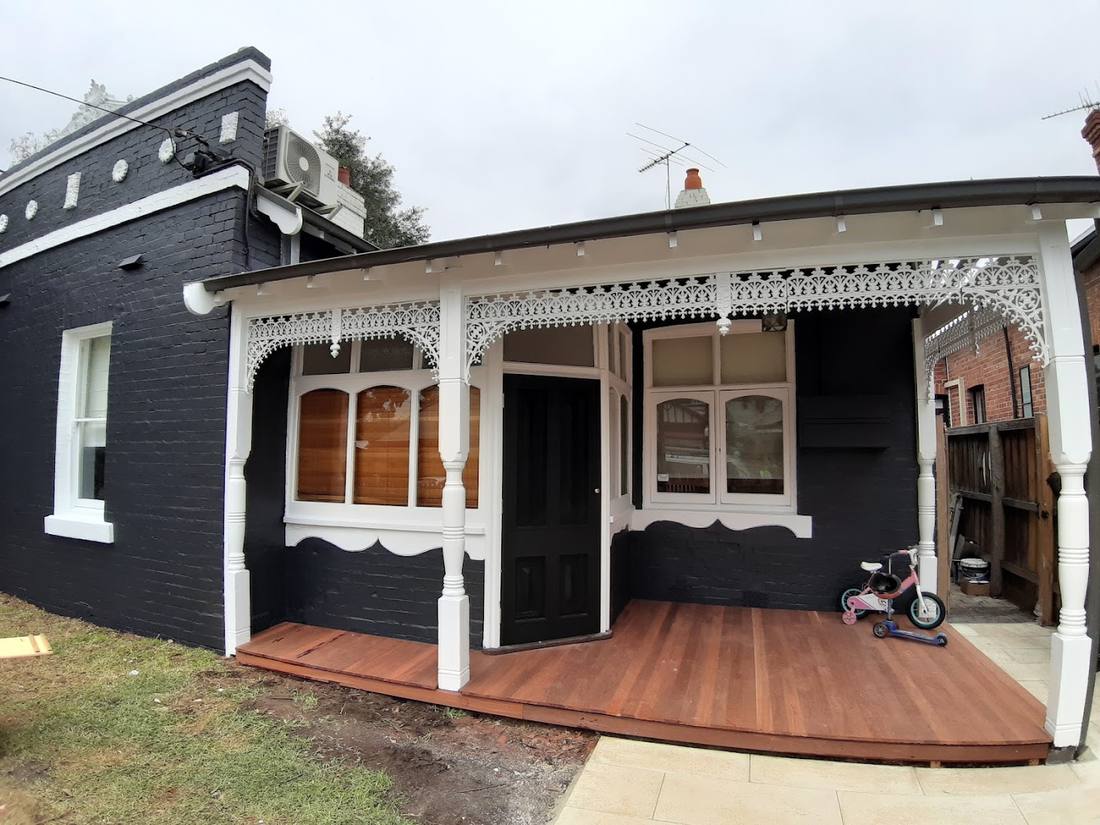
Melbourne is full of Victorian terraces, Federation homes and period cottages, and they do not paint up like a modern house. The materials are older, the detail is finer, and the stakes are higher because the character is the whole point. Here is what makes heritage painting different.
Preparation is most of the job
Older homes have layers of history on them, sometimes a century of paint. Sound preparation means gentle removal of failing coatings, repairing rather than hiding damaged timber, and treating any rot before it spreads. Rushing this stage is the single most common reason a heritage repaint fails early.
Lead paint needs care
Homes painted before the 1970s can contain lead-based paint, particularly on older timber and window frames. Disturbing it carelessly is a genuine health risk. It needs to be identified and handled safely, with the right containment and clean-up, not sanded back in the open. This is one area where a painter who knows period homes matters.
Breathable systems on solid walls
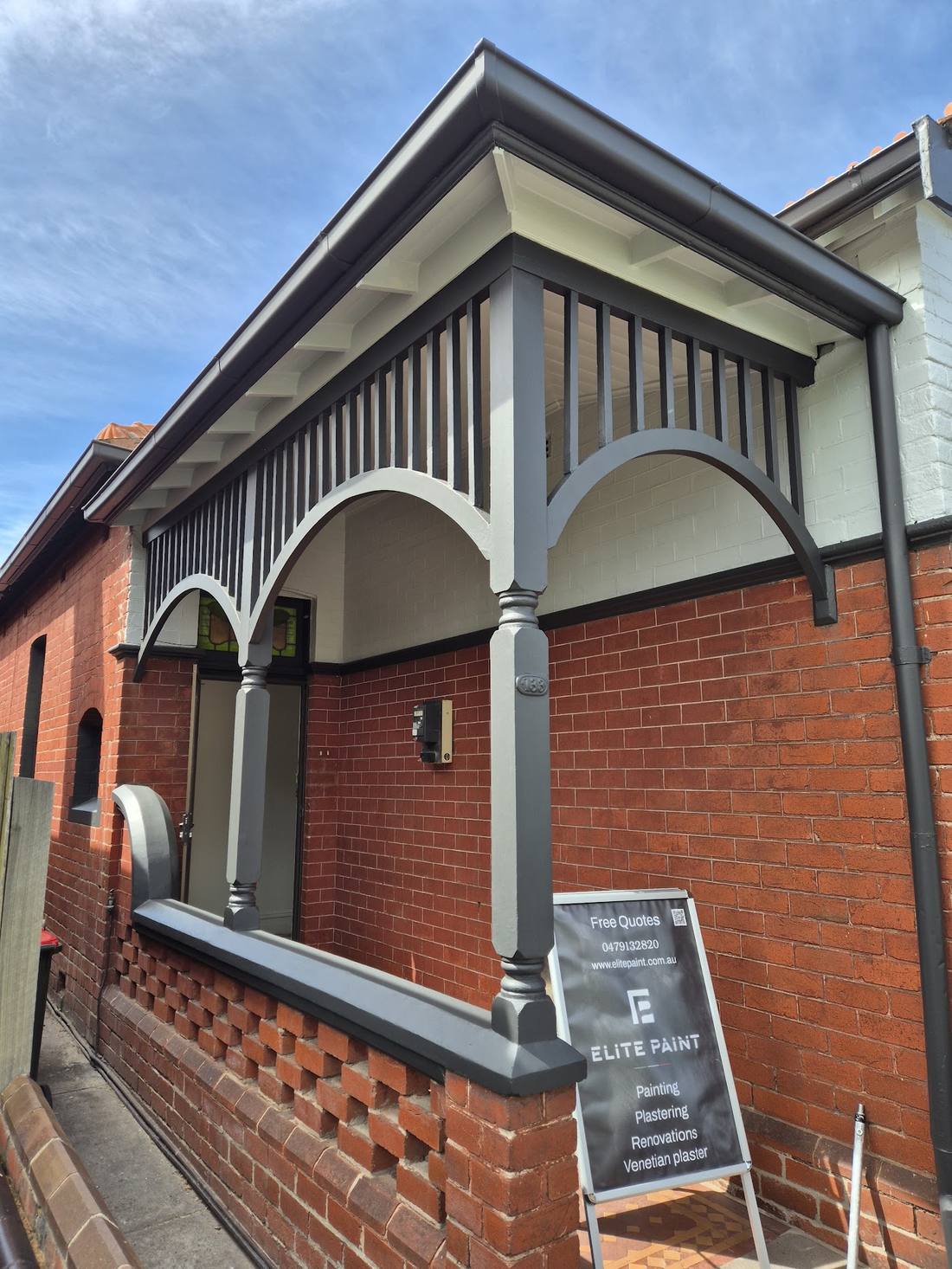
Many period homes have solid masonry walls that need to breathe. Sealing them under the wrong modern coating can trap moisture and cause paint to blister and salts to come through. Breathable, mineral-based or masonry-appropriate systems let the wall manage moisture the way it was built to.
Period-correct colour and detail
Part of restoring a period home is choosing colours that suit its era, whether that is a classic Victorian three-colour scheme on an ornate terrace front or the softer palettes of a Federation home. The fine work on cornices, corbels, lacework and leadlight surrounds is slow, hand-finished detail, and it is what separates a restoration from a repaint.
Inside and out
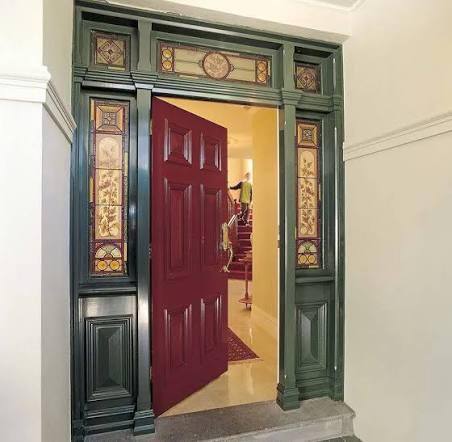
Heritage interiors deserve the same patience: high ceilings, decorative plaster, picture rails and timber windows all reward careful preparation and a steady hand. Coordinating the inside and outside means the whole home reads as one considered piece of work.
Getting it right
If you own a period home, work with someone who treats it as restoration, not just recoating. Our heritage restoration page covers how we approach this work, and our painting page explains our general preparation standards. When you are ready, request a consultation.